Zahr al-‘Ās and the Spiritual Journey Through Morocco Exploring Saints, Sanctuaries, and the Living Heart of Moroccan Sufism Sarah Tours – Cultural & Spiritual Heritage Series
Morocco is a land where the sacred walks alongside the everyday, where olive groves conceal forgotten zawiyas, where mountain peaks shelter Sufi hermits, and where ancient cities still whisper prayers in the language of saints. For centuries, seekers, scholars, poets, and travelers have crossed deserts and seas to visit Morocco’s shrines, drawn by the fragrance of baraka that lingers around its holy places.
Among the names associated with spiritual exploration in the Islamic world is Zahr al-‘Ās (زهـر الآس), a symbol rather than a biography, a poetic archetype for the seeker whose heart opens like the fragrance of the wild myrtle flower. In Moroccan tradition, Zahr al-‘Ās evokes purity, guidance, inner travel, and the soul's longing for places where divine knowledge and human beauty meet.
Today, Sarah Tours revives that spirit through curated spiritual itineraries designed for modern travelers who wish to understand Morocco not only through monuments and markets, but through its saints, sanctuaries, and centuries-old Sufi heritage.
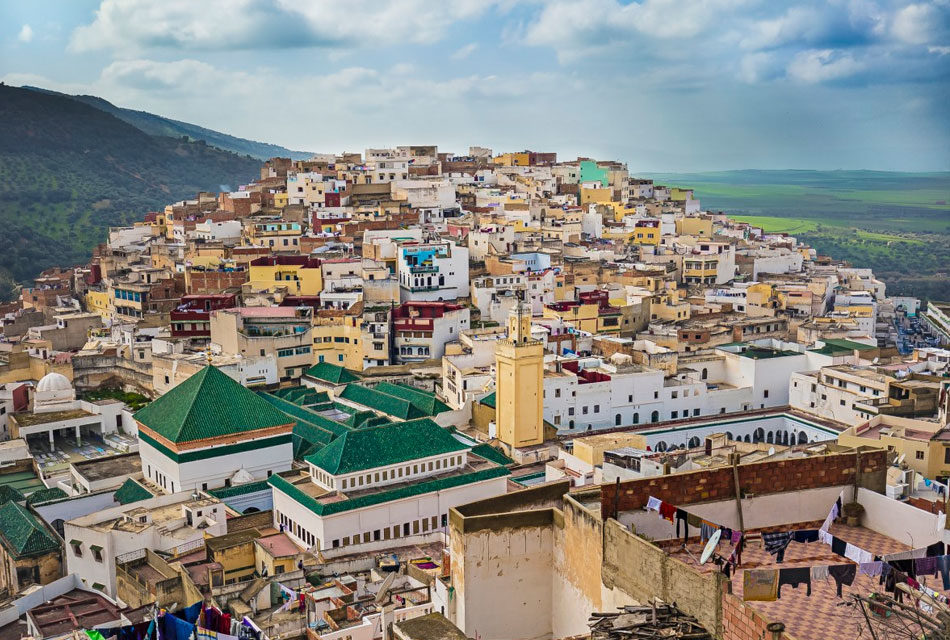
Morocco: A Cradle of Sufism, Coexistence & Spiritual Moderation
Morocco’s religious identity rests on three harmonious pillars:
- The Malikite School (المذهب المالكي) A practice rooted in community, ethics, and balance.
- The Ash‘ari Creed (العقيدة الأشعرية) A theology of moderation, reason, and tolerance is the foundation of Moroccan coexistence.
- The Sufi Path (التصوف السني)
A spiritual tradition that cultivates humility, love, remembrance, and inner refinement. Together, these currents create a Moroccan Islam known for its gentleness, equilibrium, and openness, an Islam that welcomes diversity, encourages scholarship, and honors saints not as intermediaries but as examples of the perfected human spirit.
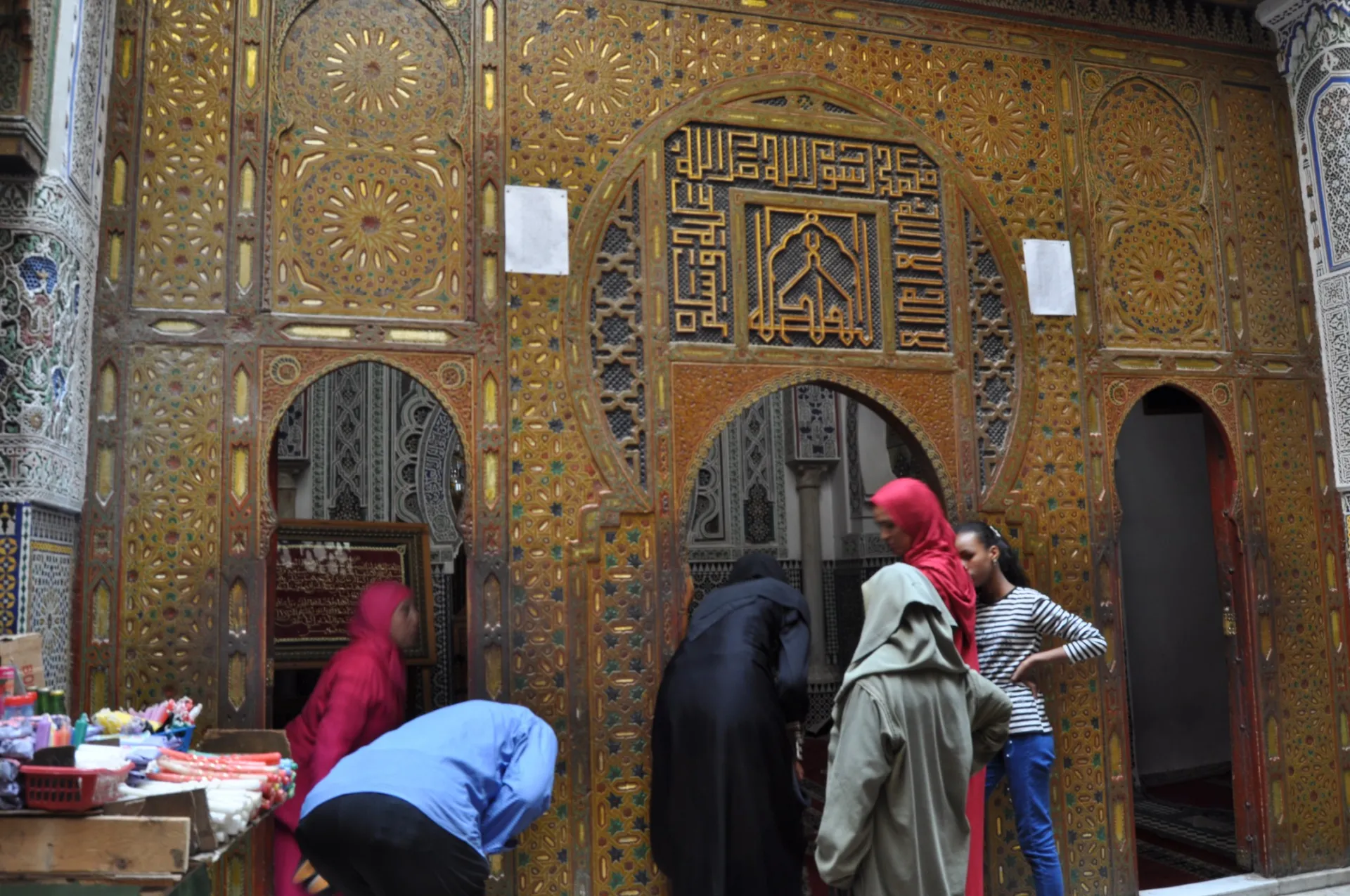
Morocco’s zawiyas and mausoleums have, for centuries, served as sanctuaries for travelers, refuges for the needy, and spiritual universities for those seeking proximity to God through remembrance and service.
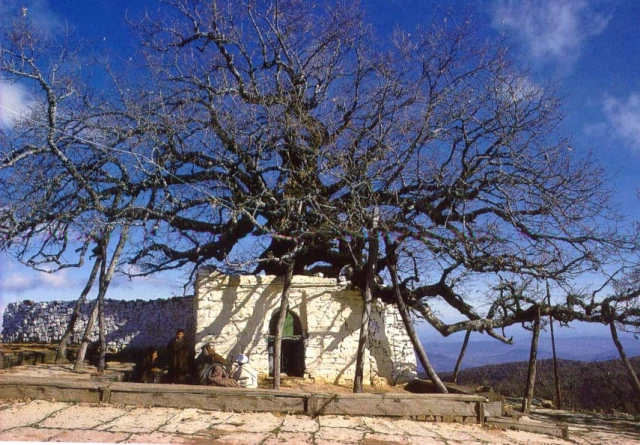
Zahr al-‘Ās: A Symbol of the Seeker’s Journey In Moroccan poetic symbolism, Zahr al-‘Ās, the blossom of the myrtle plant, represents: • purity of intention • sweet fragrance of the heart • lightness of spirit • guidance toward sacred places Thus, the “Journey of Zahr al-‘Ās” becomes a metaphor for a traveler who moves through Morocco not as a tourist, but as a seeker, allowing the fragrance of knowledge and holiness to settle into their soul. This is the spirit in which we present Morocco’s great spiritual itineraries.
The Spiritual Geography of Morocco: Where the Saints Walked Morocco’s landscape is a map of Sufi wisdom. Its mountains, valleys, and coasts are marked by sanctuaries where saints lived, prayed, taught, and continue to inspire. Sarah Tours will present this heritage in a special blog series, beginning with the most revered of Morocco’s spiritual guides, in other words, “Agtab” Poles:
- Moulay Abdessalam Ibn Mashish (مولاي عبد السلام بن مشيش) The Pole of the Western Islamic world, master of Imam Abu al-Hasan al-Shadhili. His mountain sanctuary on Jabal al-‘Ālam remains one of the most potent places of Sufi retreat.
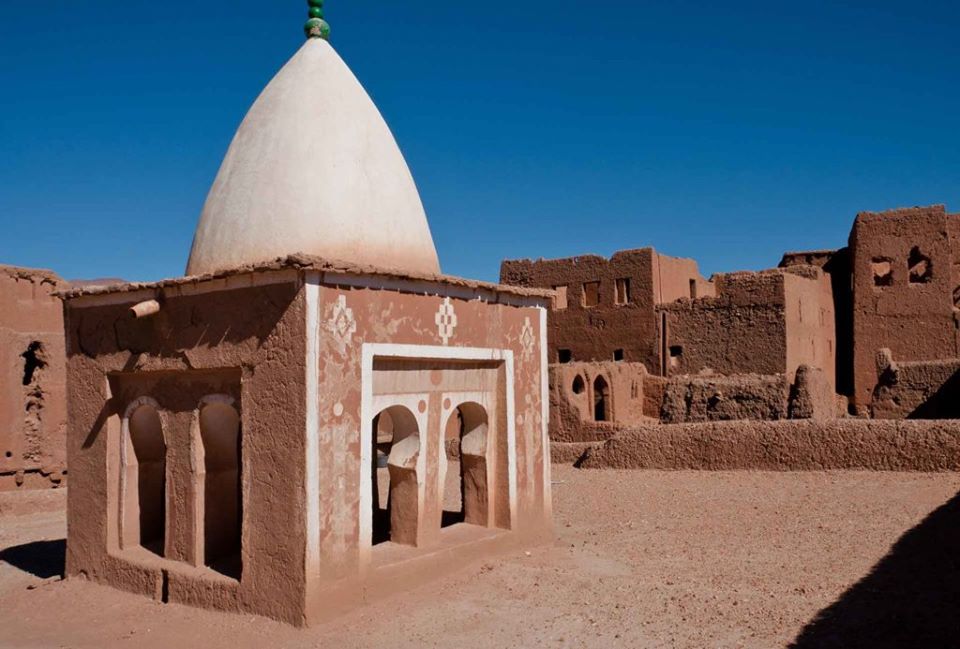
- The Seven Saints of Marrakech (سبعة رجال مراكش) A unique pilgrimage circuit honoring: • Qadi Iyad • Sidi Bel Abbas • Sidi Mohammed al-Jazouli • Sidi Yusuf Ben Ali • Sidi Abdelaziz al-Taba‘a • Sidi Abdellah al-Ghazwani (Moul L K’sour) • Sidi Abderrahman Souhayli Each represents a chapter in the spiritual history of the Red City, blending scholarship, asceticism, charity, and devotion.
- The Seven Saints of Fez (سبعة رجال فاس) Fez, the cradle of knowledge, also shelters its own constellation of saints: • Moulay Idriss II • Sidi Ahmed Tijani • Sidi Ali al-Sanhaji • Sidi ‘Ali al-Dukkali • Sidi ‘Abd al-Wahhab al-Tazi • Sidi Ahmed al-Sharqi • Sidi Mohammed Ben Harazim These sanctuaries reflect the city’s twelve centuries of scholarship and spiritual brilliance.
-
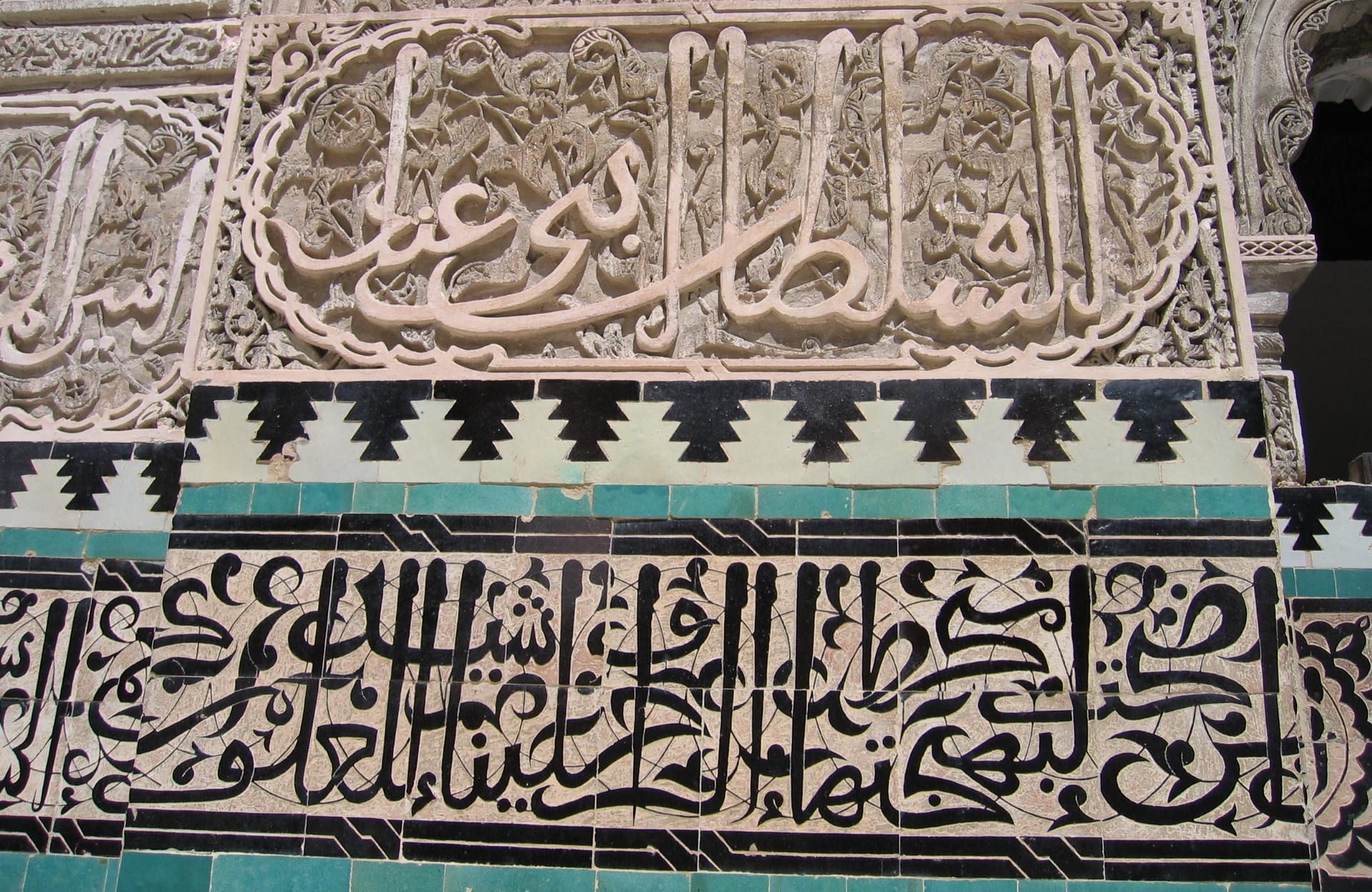
Moulay Bouchaib Erredad (مولاي بوشعيب الرداد) The Patron Saint of Azemmour is a symbol of generosity, healing, and protection.
-
Moulay Bouselham (مولاي بوسلهام) A saint of the Atlantic coast, beloved by fishermen and rural communities, his shrine blends spirituality with Morocco’s maritime heritage.
Why Spiritual Travelers Choose Morocco Morocco continues to attract spiritual seekers because it offers: • Safe, welcoming sanctuaries • Moderate, harmonious Islamic practice • Rich Sufi heritage connected to global traditions • Living zawiyas, not museum relics • Prayer, meditation, and reflection spaces • Opportunities to meet scholars, imams, and Sufi guides It is a land where the sacred is not hidden; it lives in the air, in the architecture, in the hospitality, and in the memory of its people.
The Journey Begins: Zahr al-‘Ās in Modern Travel With Sarah Tours, spiritual travel is not a performance. It is a gentle path, a listening journey, an encounter with Morocco’s soul. Travelers will explore: • mountain sanctuaries • ancient zawiyas • mausoleums filled with incense and history • places where saints walked and taught • the rhythms of Sufi chanting (dhikr) • the quiet power of Moroccan hospitality Each step, each visit, becomes a blossom of Zahr al-‘Ās, a fragrance of knowledge opening in the heart.
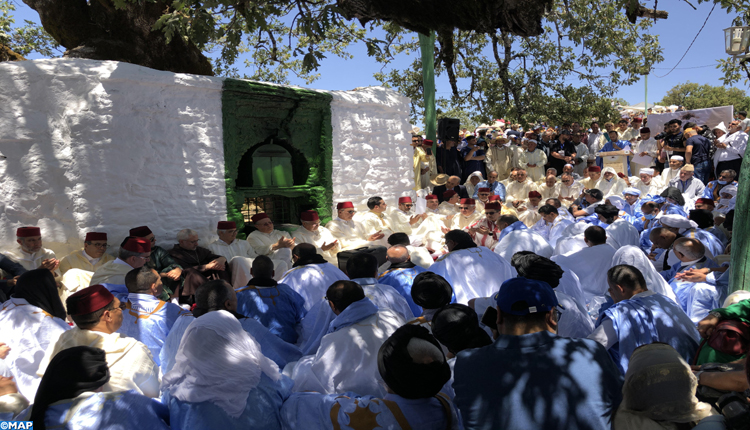
Coming Soon on Sarah Tours Blog ✨ The Seven Saints of Marrakech – A Pilgrimage Through Wisdom ✨ The Seven Saints of Fez – The Spiritual Map of the Imperial City ✨ Moulay Abdessalam Ibn Mashish – The Mountain of Light ✨ Moulay Bouchaib Erredad – The Saint of Healing and Generosity ✨ Moulay Bouselham – The Atlantic Guardian ✨ The Living Heart of Moroccan Sufism among contemporary paths “Tariquas.” Each article will explore history, spirituality, geography, and the cultural richness surrounding Morocco’s saints.
A Final Thought for the Seeker As long as there are travelers whose hearts resemble Zahr al-‘Ās, As long as there are sanctuaries where prayers linger, As long as Morocco remains faithful to its Malikite, Ash‘ari, and Sufi harmony, the spiritual path will remain open, the journey will remain beautiful, and the saints will continue to guide.