Italy
Italy: Where Beauty Became a Way of Life
Italy is a country where beauty rarely exists apart from history. A church, a piazza, a painting, a vineyard or even a family recipe can carry the memory of generations. Ancient Rome, medieval cities, the Renaissance, maritime republics and regional traditions have left layers of culture that remain visible not only in museums and monuments, but in everyday Italian life.
Rome reveals this continuity perhaps more dramatically than anywhere else. Ancient temples and imperial ruins stand beside early Christian churches, Renaissance palaces and Baroque fountains, while the streets around them belong unmistakably to a modern capital. To walk through Rome is to discover that history does not always disappear when another age begins; sometimes one civilization simply builds beside, around and even upon another.
Florence tells another story. Here, the Renaissance transformed painting, sculpture, architecture and ways of thinking about the human place in the world. The works of Michelangelo, Botticelli and Leonardo da Vinci belong to this extraordinary flowering, but Florence itself—the proportions of its buildings, its workshops, streets and public spaces—helps us understand that the Renaissance was not confined to canvases hanging in museums.
Venice reveals yet another Italy: a maritime civilization shaped by commerce and connections with the Mediterranean and the East. Farther south, Sicily preserves Greek, Roman, Arab, Norman and Mediterranean influences whose traces survive in architecture, agriculture, language and food. Italy becomes especially fascinating when we begin to see these regions not as variations of one culture, but as histories with distinct personalities.
Food provides another way into those histories. Olive oil, bread, pasta, cheese, wine and regional dishes are expressions of geography, agriculture, trade and family memory. A market in Palermo, a vineyard in Tuscany or a meal in a small town can tell us something about Italy that no monument can explain by itself.
Sarah Tours explores Italy through small-group and private journeys shaped around art, history, culture and human encounter. Depending on the traveller's interests, itineraries can include archaeology, architecture, museums, food and wine, walking, countryside, spiritual heritage and time in smaller communities beyond the celebrated cities.
Italy invites us to look carefully. Its great achievement may not simply be the extraordinary beauty it created, but the way art, food, architecture, landscape and daily life learned to live together.
Perhaps that is why Italy is not merely a country in which to see beautiful things. It is a place that can teach us something about living beautifully.
Our Italy trips
No Tours
Customer reviews
Needs improvement
0 reviews
Guide
0Needs improvement
Transportation
0Needs improvement
Meals
0Needs improvement
Accommodation
0Needs improvement
No reviews yet.
Italy articles
Travel Learning and Travelers
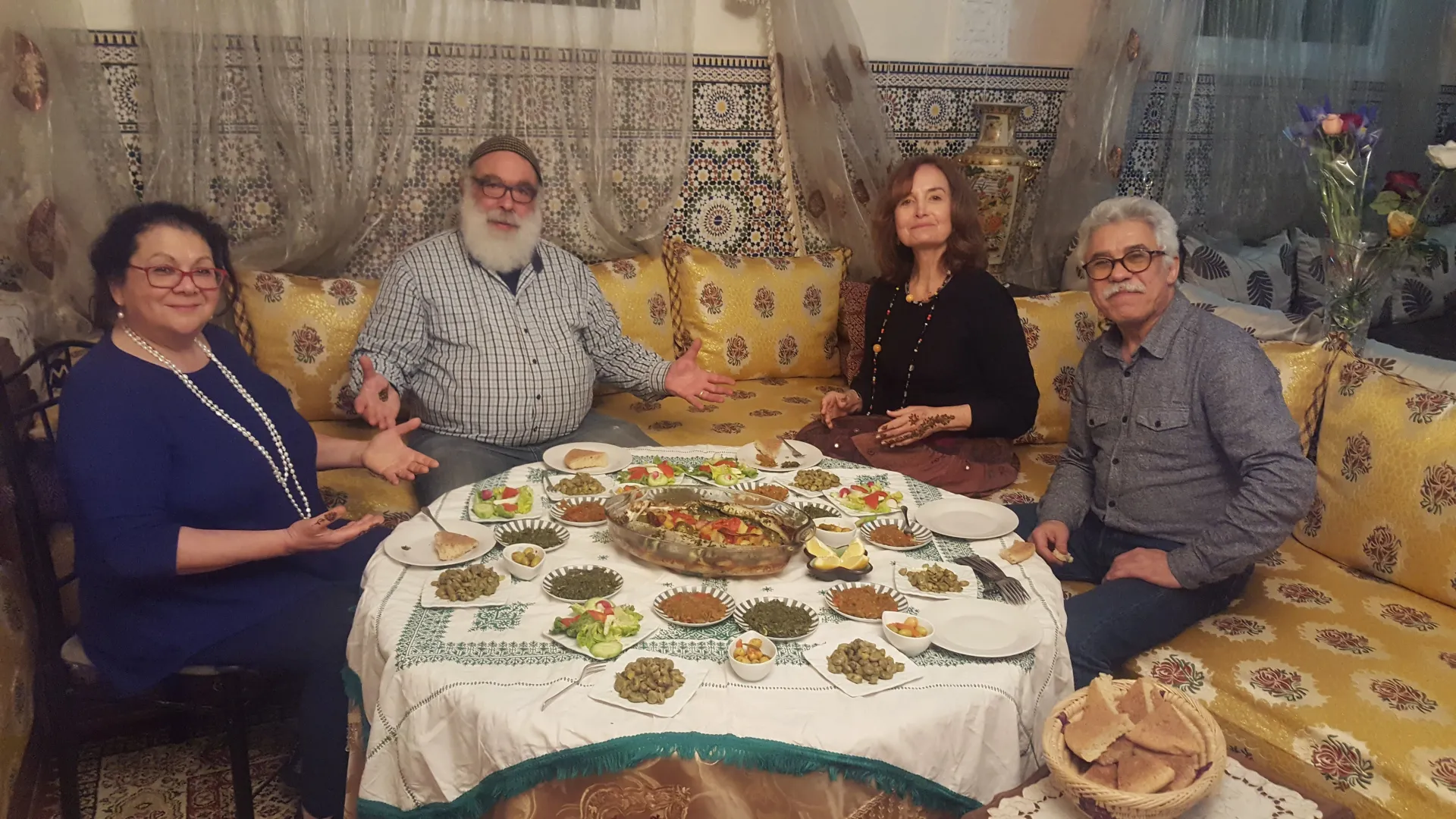
When Travel Becomes Learning Travel has always been one of the most powerful ways to educate oneself—at least in my own belief. Not because it provides answers, but because it teaches us how to ask better questions. When travel becomes learning, it stops being a sequence of experiences and becomes a process of attention. The road is no longer something to cross quickly; it becomes a classroom without walls, where lessons are subtle and often unannounced. Learning Begins When Certainty Ends The moment travel teaches us something real is often the moment we feel slightly lost. Not lost geographically, but internally—when familiar references no longer apply. Languages shift. Gestures mean something else. Time behaves differently. What once felt obvious becomes uncertain. This discomfort is not a failure of planning. It is the beginning of learning. From Information to Understanding Many people travel well-informed. Few travel well-prepared to understand. Information tells us what something is. Learning asks why it exists, how it came to be, and what it means to those who live with it daily. When travel becomes learning: • monuments are no longer isolated facts • traditions are not performances • food is not just taste, but memory and geography • landscapes are read as history, not scenery Understanding requires time, repetition, and humility. The Classroom of Daily Life The most meaningful lessons in travel rarely happen during scheduled visits. They happen: • in kitchens • on walks between places • in markets • during shared meals • in pauses and silences Daily life teaches what institutions cannot. It reveals values, priorities, and relationships—often without explanation. When we learn to observe these moments, travel begins to educate us beyond the surface. Listening as a Method Learning through travel depends less on asking questions and more on listening well. Listening to: • tone rather than words • rhythm rather than schedules • what is said—and what is avoided Good listening requires patience. It also requires letting go of comparison. When we stop measuring places against what we already know, we allow them to speak in their own language. Learning Also Means Being Changed Education that leaves us unchanged is incomplete. When travel becomes learning, it affects how we: • see our own habits • question our assumptions • relate to difference • return home Sometimes the lesson is gentle. Sometimes it is unsettling. Both are valuable. Travel as Ongoing Education This kind of learning does not end at the airport. It continues: • in how we tell stories • in what we value afterward • in how we choose to travel again Travel becomes part of a lifelong education—one that has no diploma, only awareness. A Quiet Conclusion Not all travel needs to teach. Rest, pleasure, and joy have their place. But when travel becomes learning, it offers something rarer: a chance to grow without being instructed, to understand without being told, to change without being forced. In a world full of information, learning remains a privilege. Travel, approached with attention and humility, is still one of its finest teachers. Travel learning
Italy FAQs
Italy is part of the Schengen Area, so visa requirements depend on your nationality. Citizens of the EU, the US, the UK, Canada, Australia, and many other countries can enter visa-free for up to 90 days. Check your country’s requirements before traveling.
• Spring (April–June) and Fall (September–October) are ideal for comfortable weather, fewer crowds, and beautiful scenery.
• Summer (July–August) is peak tourist season, especially in cities and coastal areas—expect high temperatures and larger crowds.
• Winter (December–February) is excellent for fewer city crowds and skiing in the Alps or Dolomites.
Yes, Italy is generally very safe, especially in tourist areas. Petty theft like pickpocketing can occur in crowded places (especially in Rome, Florence, and Milan), so keep an eye on your belongings.
Italy uses the Euro (€). Credit and debit cards are widely accepted, but carrying some cash is good, especially in small towns or local markets.
Italian is the official language. In tourist areas, many people speak basic English, especially younger people and those in the hospitality industry. Learning a few Italian phrases is appreciated and goes a long way.
Tipping is not mandatory, but it’s appreciated: • Restaurants: Round up the bill or leave 5–10% for good service. • Taxis: Round up the fare. • Hotels & guides: A few euros for porters or 10–15% for guides.
Italians are known for fashion, and smart-casual attire is the norm. When visiting churches or religious sites, cover your shoulders and knees. Comfortable shoes are essential for walking on cobblestone streets.
Yes, tap water is safe to drink throughout Italy. In many cities, especially Rome, you’ll find public drinking fountains with clean, cold water.
Italy is a culinary paradise! Each region has its specialties—pizza in Naples, pasta in Rome, risotto in Milan, and seafood in Sicily. Most restaurants offer vegetarian options, and food quality is generally very high.
Yes! Italy is one of the world’s top tour destinations, with countless options—from historical walking tours, Vatican visits, and wine tastings in Tuscany, to hiking the Cinque Terre or cooking classes with locals. Tours can be booked in advance online or arranged locally.
Let’s Begin With a, Conversation
Every meaningful journey begins with listening. Tell us what interests you, how you like to travel, and what you hope to discover. Whether you already have a journey in mind or are just beginning to explore Morocco, we would be delighted to share our knowledge and help you create a journey that feels genuinely your own.
Get in Touch