When Travel Becomes Learning
Travel has always been one of the most powerful ways to educate oneself—at least in my own belief. Not because it provides answers, but because it teaches us how to ask better questions. When travel becomes learning, it stops being a sequence of experiences and becomes a process of attention. The road is no longer something to cross quickly; it becomes a classroom without walls, where lessons are subtle and often unannounced.
Learning Begins When Certainty Ends The moment travel teaches us something real is often the moment we feel slightly lost. Not lost geographically, but internally—when familiar references no longer apply. Languages shift. Gestures mean something else. Time behaves differently. What once felt obvious becomes uncertain. This discomfort is not a failure of planning. It is the beginning of learning.
From Information to Understanding Many people travel well-informed. Few travel well-prepared to understand. Information tells us what something is. Learning asks why it exists, how it came to be, and what it means to those who live with it daily.
When travel becomes learning: • monuments are no longer isolated facts • traditions are not performances • food is not just taste, but memory and geography • landscapes are read as history, not scenery Understanding requires time, repetition, and humility.
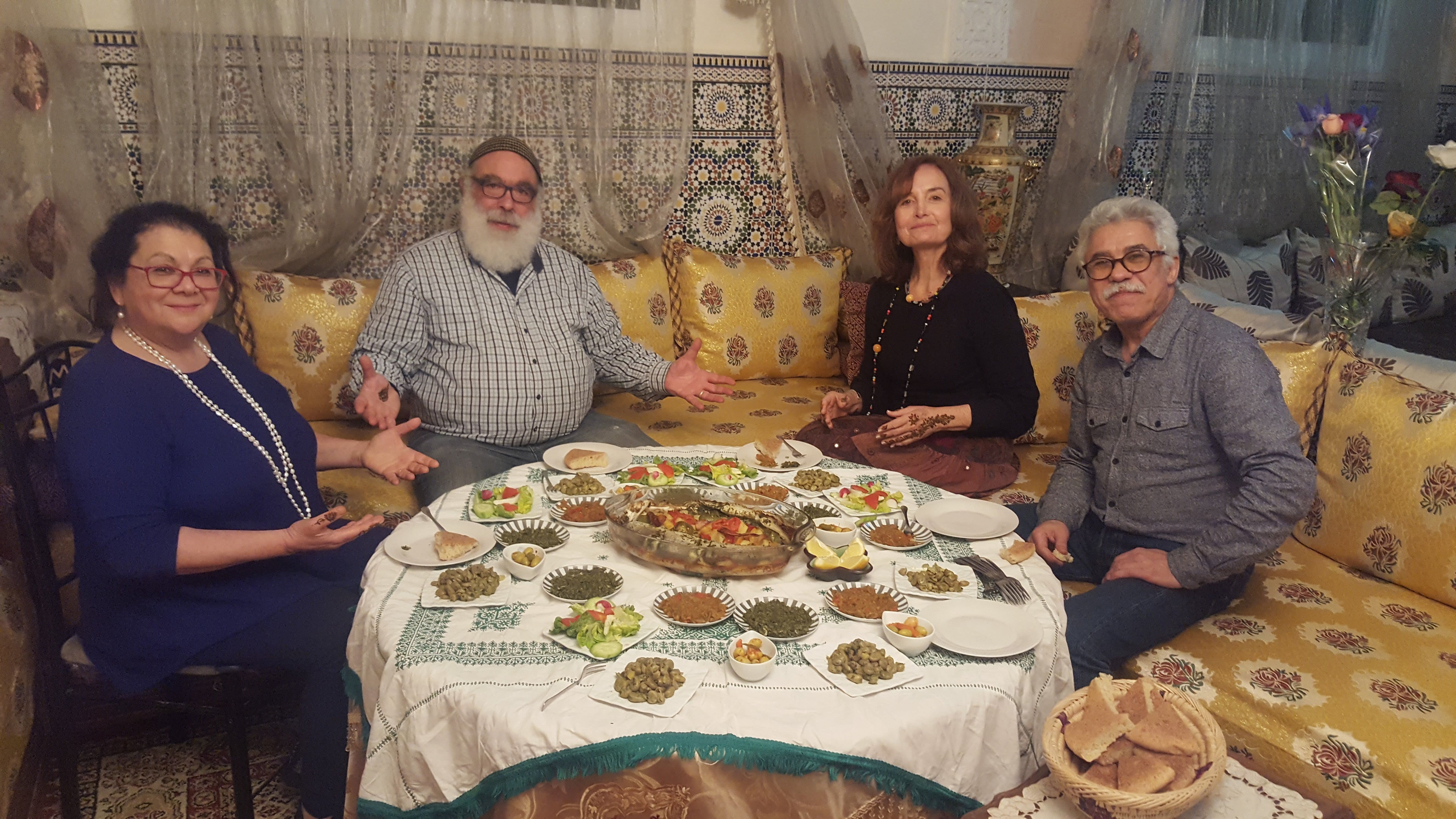
The Classroom of Daily Life The most meaningful lessons in travel rarely happen during scheduled visits. They happen: • in kitchens • on walks between places • in markets • during shared meals • in pauses and silences Daily life teaches what institutions cannot. It reveals values, priorities, and relationships—often without explanation. When we learn to observe these moments, travel begins to educate us beyond the surface.
Listening as a Method Learning through travel depends less on asking questions and more on listening well. Listening to: • tone rather than words • rhythm rather than schedules • what is said—and what is avoided Good listening requires patience. It also requires letting go of comparison. When we stop measuring places against what we already know, we allow them to speak in their own language.
Learning Also Means Being Changed
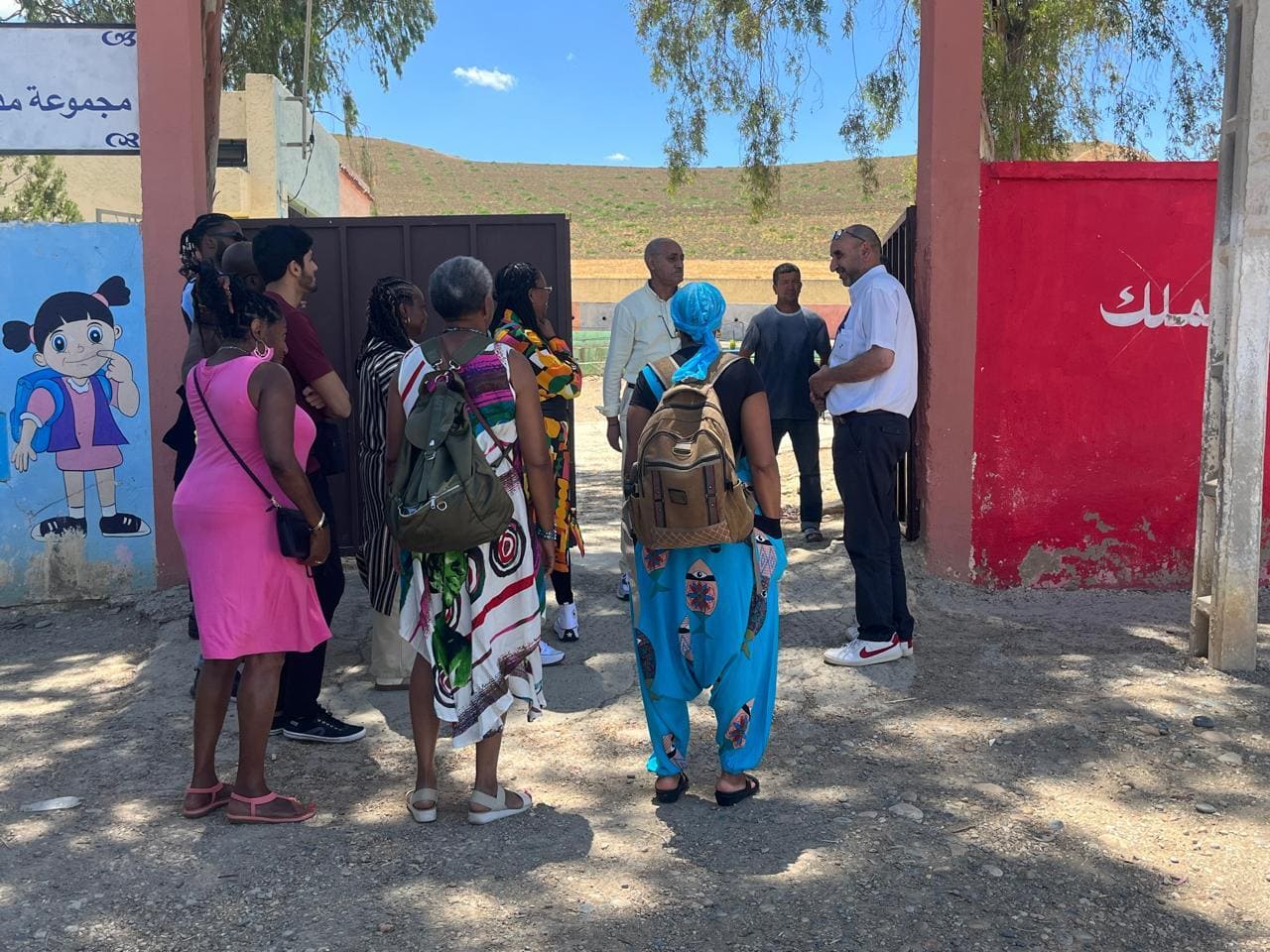
Education that leaves us unchanged is incomplete. When travel becomes learning, it affects how we: • see our own habits • question our assumptions • relate to difference • return home Sometimes the lesson is gentle. Sometimes it is unsettling. Both are valuable.
Travel as Ongoing Education This kind of learning does not end at the airport. It continues: • in how we tell stories • in what we value afterward • in how we choose to travel again Travel becomes part of a lifelong education—one that has no diploma, only awareness.
A Quiet Conclusion Not all travel needs to teach. Rest, pleasure, and joy have their place. But when travel becomes learning, it offers something rarer: a chance to grow without being instructed, to understand without being told, to change without being forced.
In a world full of information, learning remains a privilege. Travel, approached with attention and humility, is still one of its finest teachers. Travel learning