Morocco Natural Landscapes Tour
Need a custom quote?
Traveling with a large group or have specific requirements? Get a personalized quote for this 10-day tour.
Get a QuoteResponse within 24 hours
Group size
Min 4 · Max 16
Meals
Breakfast and dinners daily. The best of what Moroccan cuisine can offer
Accommodation
4 star Boutique Hotels and Guesthouses
Transport
Deluxe AC vehicles, bullet train
Overview
Morocco Natural Landscapes A Journey Through the Land That Shaped a Culture
To understand Morocco, sometimes we have to leave the monuments behind and look at the land.
Mountains, forests, plains, valleys, oases and desert are not simply the scenery through which Moroccan history unfolded. They helped shape the way people settled, farmed, traded, built, travelled and learned to live together.
Morocco Natural Landscapes is a journey through those relationships.
We travel from one ecological world into another, watching the country change gradually around us. Fertile plains rise toward mountain forests. Mountain communities give way to high plateaus and valleys. Water becomes increasingly precious. Architecture begins responding differently to climate. Agriculture changes with altitude and rainfall. Eventually, cultivated land meets oasis and desert.
Rather than rushing between Morocco's famous landmarks, we stop to ask what the landscape can tell us.
Why did people build a village here rather than there?
Where does its water come from?
What can grow at this altitude?
Why does the architecture change when we cross a mountain range?
How did forests, grazing lands and seasonal movement shape rural life?
How could an oasis support a community where rainfall alone could not?
And what happens to these relationships when climate, population and modern development begin to change them?
These questions turn scenery into something more interesting.
The landscape becomes a document we learn to read.
There will still be magnificent views. Morocco gives them generously. There will be mountains, cedar forests, cultivated valleys, dramatic geological formations, palm groves, desert horizons and nights beneath an enormous sky.
But we do not travel through them merely to admire them.
We travel slowly enough to notice the human life within them.
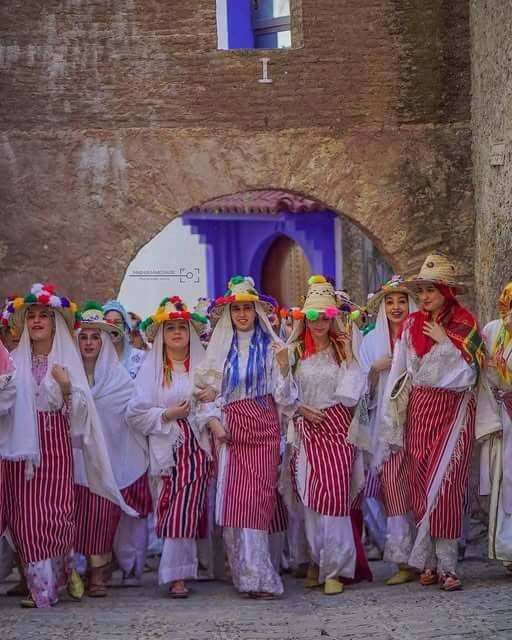
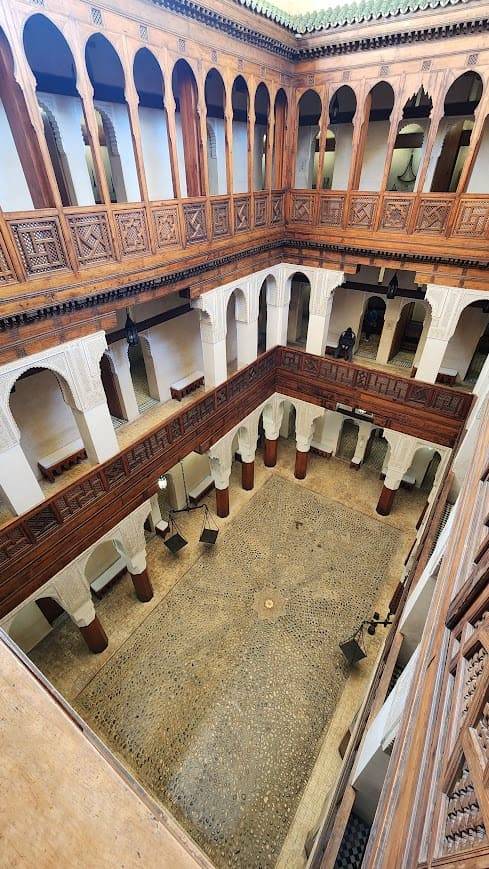
We walk where walking brings us closer. We visit villages and agricultural landscapes. We follow water where it helps explain settlement. We enter local markets where mountain and countryside meet commerce. We encounter architecture not simply as something picturesque, but as accumulated knowledge about climate, materials and place.
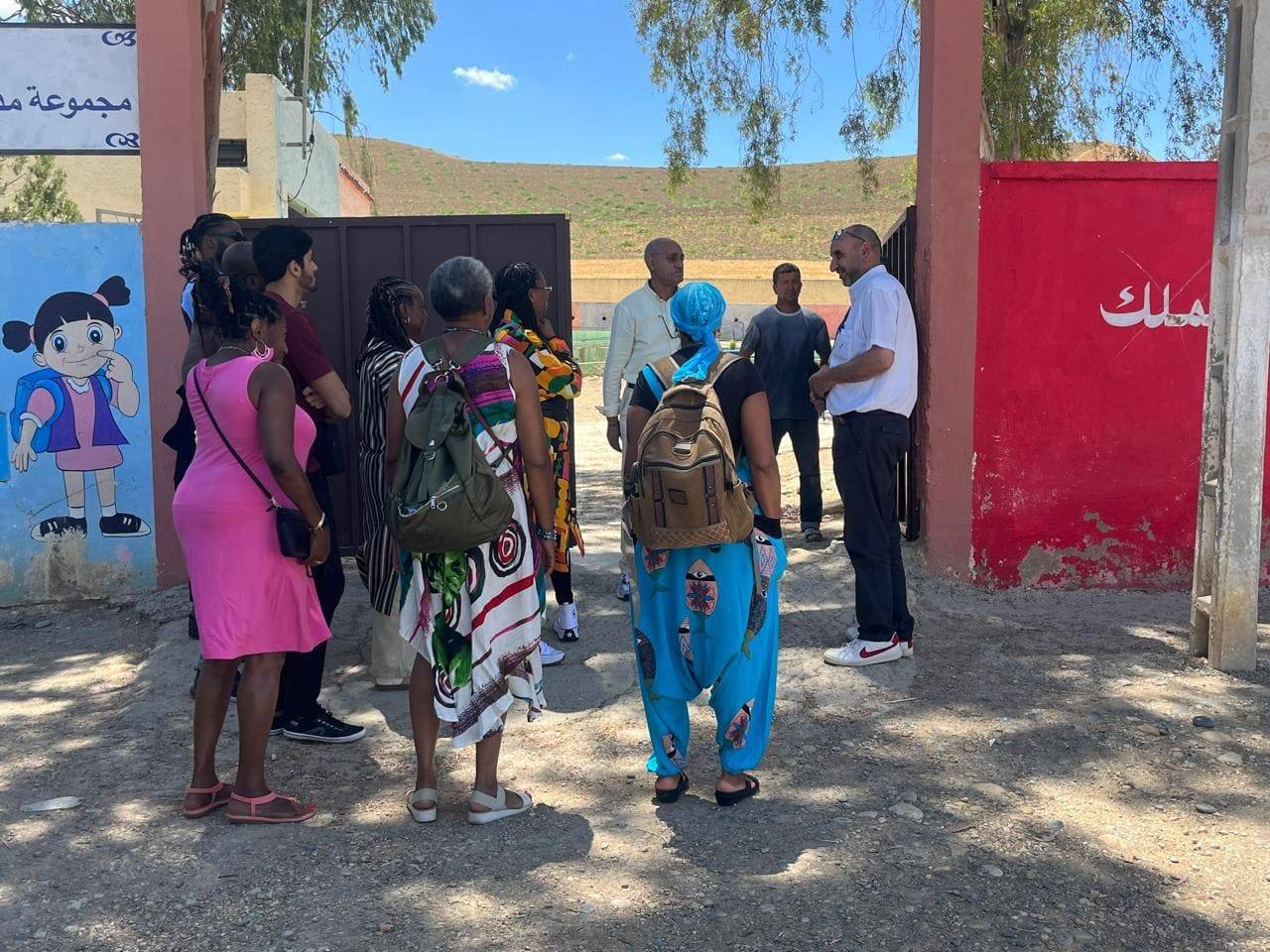
And when opportunities for human encounters arise naturally, we welcome them with respect.
This is not a strenuous trekking expedition. Nor is it a conventional sightseeing circuit with nature added between cities. It is designed for curious, experienced travelers who enjoy being outdoors, appreciate mild walking, and want to understand Morocco beyond its surface.
Perhaps the greatest discovery of the journey will be that Morocco's celebrated cultural diversity did not develop independently of its geography.
The land participated in creating it.
By the time we return to the city, a market may look different. A loaf of bread may carry the memory of a field. A mud-brick house may reveal an understanding of climate. A glass of water may remind us of the mountain from which it came.
The landscapes will still be beautiful.
But perhaps we will no longer see them merely as landscapes.
We will begin to see the Morocco they helped create.
Travel in peace — Ma'a Salama.
Itinerary
Casablanca → Marrakech
Marrakech
Marrakech → Ourika Valley → Marrakech
Marrakech → High Atlas → Aït Benhaddou → Ouarzazate
Ouarzazate → Dadès → Todra → Erfoud → Merzouga
Merzouga → Ziz Valley → Midelt → Middle Atlas → Azrou → Fez
Fez
Fez → Volubilis → Moulay Idriss → Chefchaouen
Chefchaouen → Rabat
Transfer to Casablanca Airport
What's included
Accommodation
4 star Boutique Hotels and Guesthouses
Guide
The best guides and tour leaders are with Sarah Tours, Inc.
Meals
Breakfast and dinners daily. The best of what Moroccan cuisine can offer
Transport
Excellent Vans and 4WD land Cruisers with safe Moroccan drivers.
Other included
Entrance fees to monuments and museums
Other included
All taxes
Other included
Camel rides over the dunes of Merzouga
Dates and availability
| Starting | Ending | Prices from | |||
|---|---|---|---|---|---|
|
Saturday 24 Oct 2026 |
Tuesday 03 Nov 2026 |
|
Available |
USD $2,650 |
Book now |
|
Saturday 31 Oct 2026 |
Tuesday 10 Nov 2026 |
|
Available |
USD $2,650 |
Book now |
|
Saturday 07 Nov 2026 |
Tuesday 17 Nov 2026 |
|
Available |
USD $2,650 |
Book now |
|
Saturday 14 Nov 2026 |
Tuesday 24 Nov 2026 |
|
Available |
USD $2,650 |
Book now |
|
Saturday 21 Nov 2026 |
Tuesday 01 Dec 2026 |
|
Available |
USD $2,650 |
Book now |
Highlights
-
Journey across Morocco's remarkable ecological transitions — from the High Atlas and southern valleys to Sahara oases, cedar forests, fertile plains, the Rif Mountains and Atlantic coast.
-
Discover how landscape helped shape culture, influencing where people settled, what they cultivated, how they built, and the ways communities adapted to water, altitude and climate.
-
Follow water as one of Morocco's great storytellers, from the Atlas-fed gardens of Marrakech to mountain valleys, irrigation systems, oases and palm groves.
-
Cross the High Atlas and observe how a mountain range can divide two ecological worlds — the greener Atlantic-facing country and the increasingly arid landscapes approaching the Sahara.
-
Travel through the Dadès and Valley of Roses, where geology, river systems, agriculture, earthen architecture and human settlement have developed together.
-
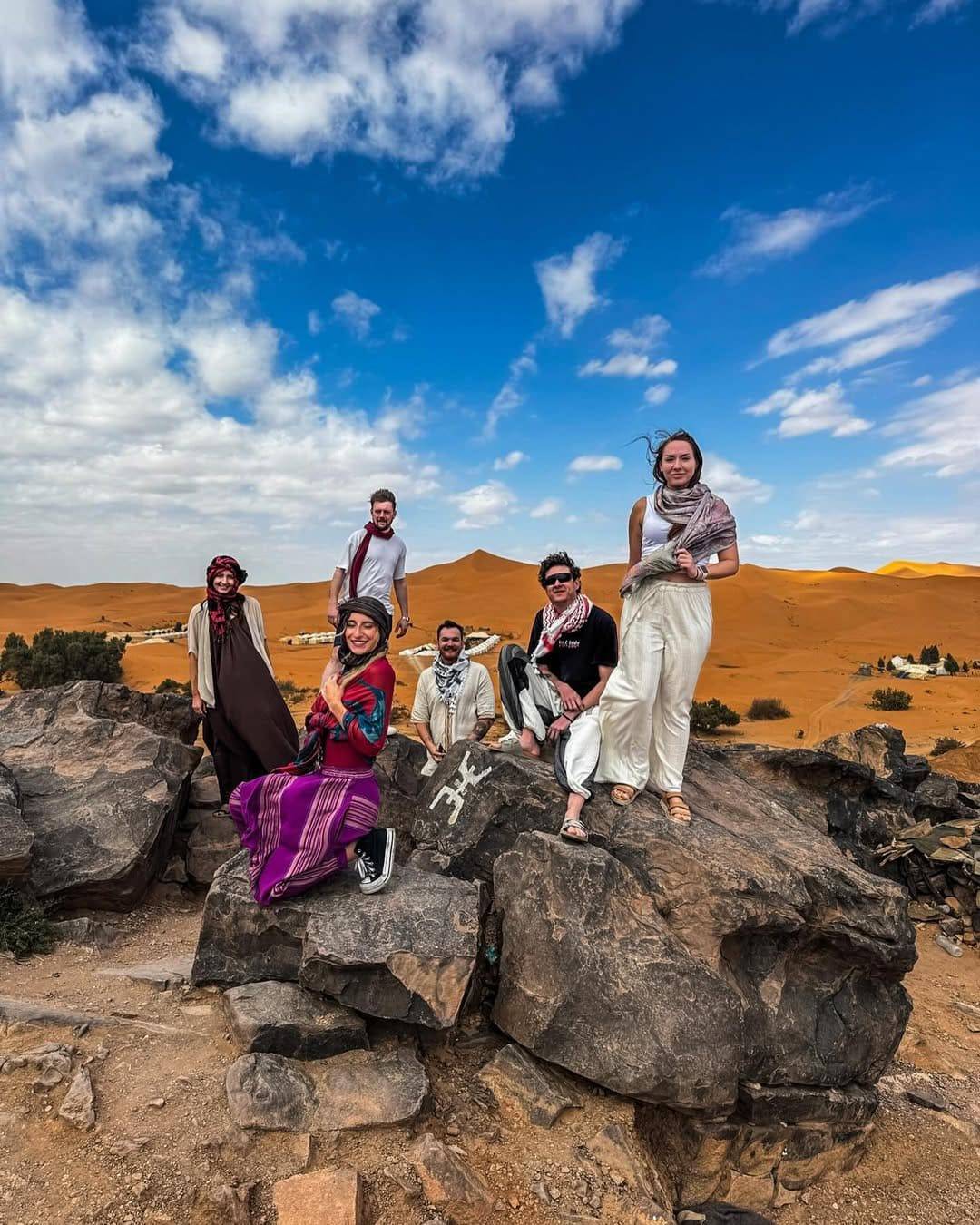
Experience the Sahara not simply as a landscape of dunes, but as part of an older geography of movement, adaptation, oasis agriculture and exchange.
-
Follow the Ziz Valley from date-palm country toward the mountains, witnessing one of the journey's most dramatic transitions from desert environment to upland Morocco.
-
Walk among the great cedar forests of the Middle Atlas and explore the relationship between forest, pastoral life, mountain markets and Amazigh communities.
-
Rediscover Fez through the landscapes that sustain it — following agricultural produce, wool, leather, cedar, craft materials and rural trade from countryside to city.
-
Continue north into the Rif, where rainfall, limestone mountains, olive cultivation and Mediterranean influences have created another distinctive Moroccan landscape and way of life.
-
Enjoy mild walks and unhurried stops that allow us to leave the vehicle when the landscape deserves to be experienced rather than merely seen through a window.
-
Travel with curiosity rather than a checklist. This journey is designed especially for experienced travelers who want to understand why Morocco changes as the land changes.
-
Meet people naturally along the road whenever circumstances allow. Communities are part of the living landscape, never attractions arranged for our entertainment.
-
Finish the journey with a different understanding of Morocco: not as a collection of beautiful places, but as a country whose extraordinary cultural diversity has been shaped, in part, by the land beneath it.
Customer reviews
Needs improvement
0 reviews
Guide
0Needs improvement
Transportation
0Needs improvement
Meals
0Needs improvement
Accommodation
0Needs improvement
No reviews yet.
Ready to experience Morocco Natural Landscapes Tour?
Spaces are limited on every departure — secure yours from US $2,650.