Who Are the Troubadours of Morocco? Understanding Al Halqa, the People's University
Long before newspapers reached every household, before radio waves crossed valleys, and long before television and social media connected the world, Morocco possessed its own powerful means of communication: Al Halqa.
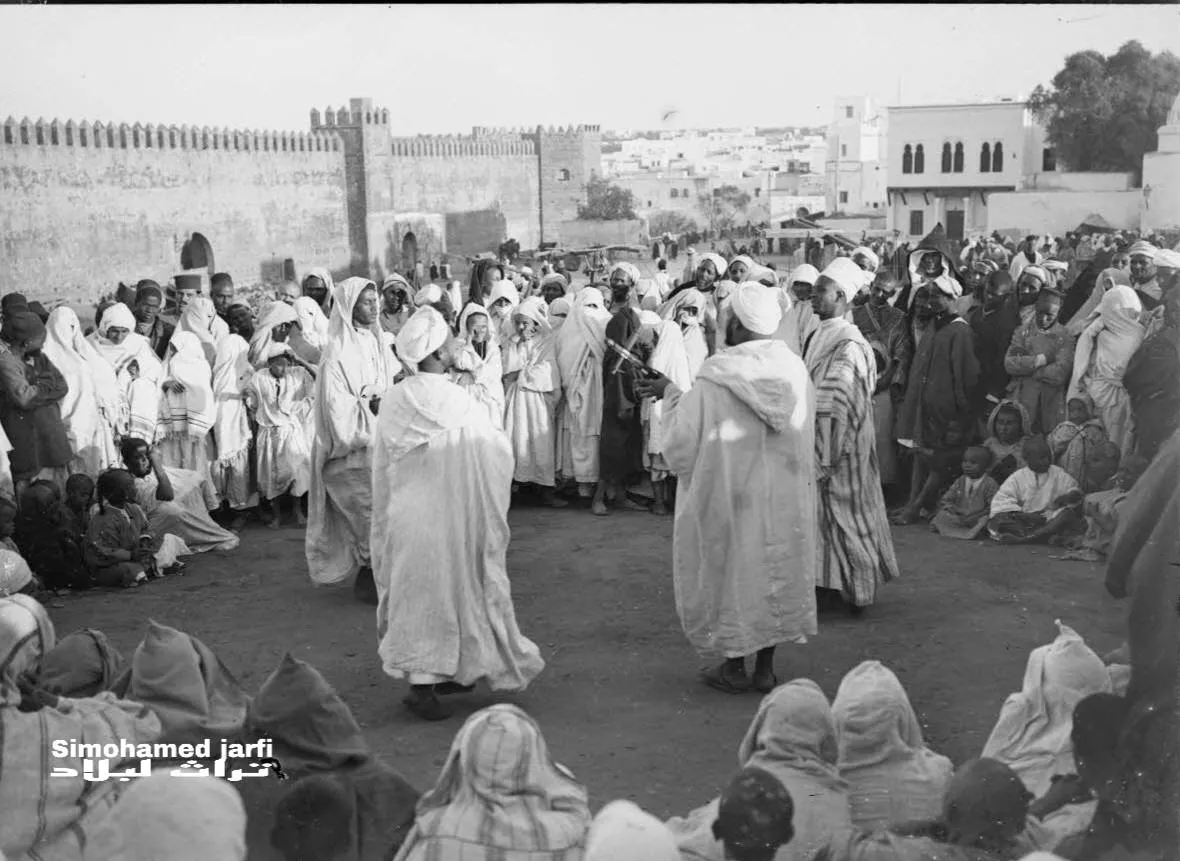
The word Halqa simply means "circle." In practice, it was far more than a circle. It was an open-air theater, a classroom, a newspaper, a parliament, and sometimes even a ministry of information.
Wherever people gathered in market squares, near city gates, beside mosques, or in weekly souks. a storyteller would draw a circle around himself. Curious listeners would gather. Soon the crowd would grow into a complete ring of attentive faces. Thus was born the Halqa. At the center stood the storyteller, poet, musician, comedian, magician, healer, or preacher. Around him stood the people: merchants, farmers, craftsmen, travelers, women, children, and laborers. Rich and poor stood shoulder to shoulder, united by a shared appetite for stories and knowledge.
For centuries, the Halqa served as the people's university in Morocco. In a society where literacy was not widespread, oral transmission became the principal vehicle of education. Through stories, proverbs, songs, poetry, and humor, ordinary Moroccans learned history, religion, ethics, current events, practical wisdom, and social values. The storyteller was more than an entertainer.
He was a guardian of collective memory. Like the troubadours of medieval Europe, Moroccan storytellers preserved heroic tales, historical events, local legends, and moral lessons. They carried knowledge from one generation to another and from one region to another. But the Halqa also performed another important function.
It helped society adapt to change. Governments, religious leaders, merchants, and communities often relied upon respected storytellers to communicate new ideas to the public. A message delivered through a story was often more persuasive than an official decree.
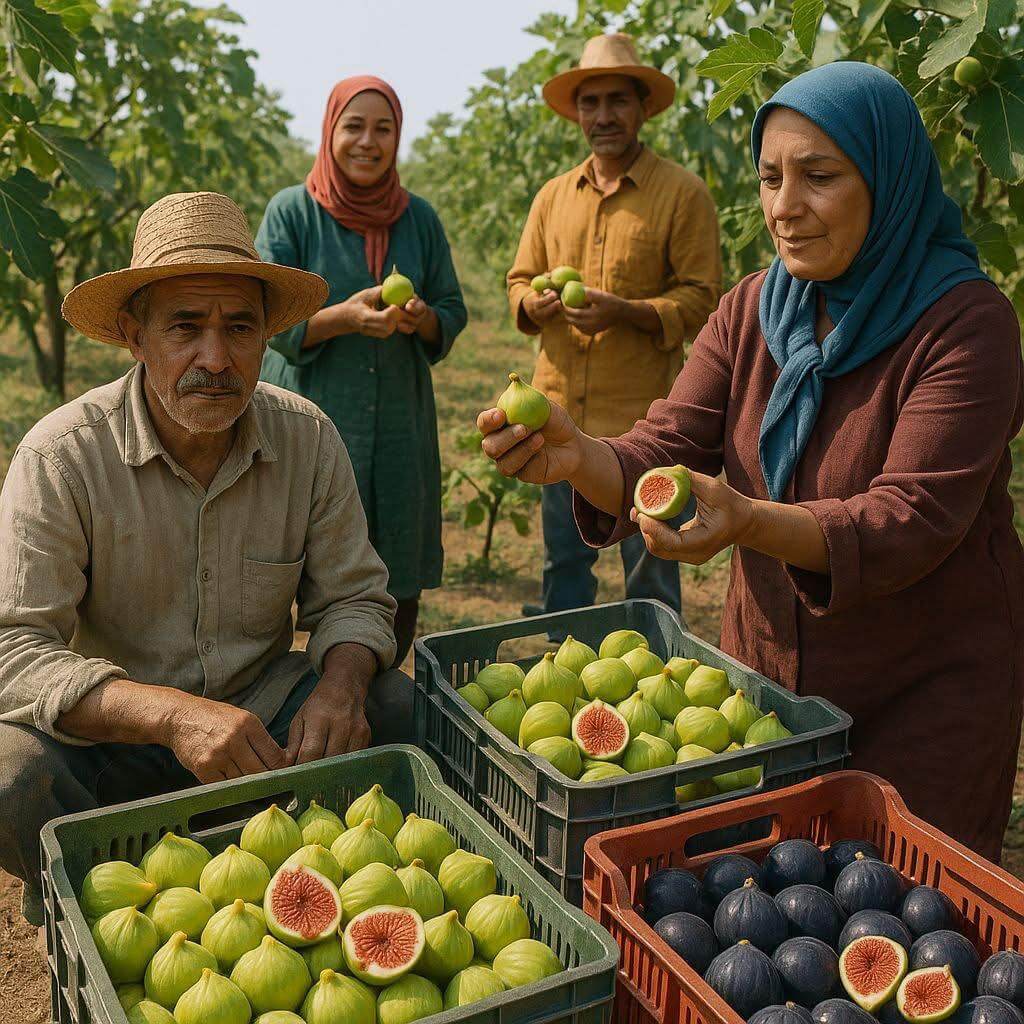
One fascinating example occurred after Morocco gained independence in 1956. The young nation faced the challenge of strengthening its agricultural sector and reducing dependence on imported food products. Among these efforts was the introduction and expansion of sugar beet cultivation.
For generations, many farmers were unfamiliar with sugar beet production. New agricultural techniques needed to be explained, promoted, and accepted.
Storytellers became valuable allies in this process. Through humor, songs, stories, and public performances, they introduced audiences to sugar beet cultivation and its potential benefits. Also for a new consumption of a sugar unknown to Moroccans. Agricultural modernization was translated into a language that ordinary farmers could understand and trust.
The result was not achieved by storytellers alone. It required farmers, engineers, agricultural experts, cooperatives, and new sugar-processing facilities. Yet the Halqa helped bridge the gap between policy and consumers.
It transformed information into understanding. By the 1960s and 1970s, sugar beet cultivation had expanded significantly, contributing to Morocco's growing domestic sugar industry and reducing dependence on imports. This episode reminds us of something often forgotten in modern development. People rarely embrace change because they are instructed to do so.
They embrace change when they understand it. And few understood the art of communication better than Morocco's storytellers. Today, the Halqa survives most visibly in places such as Jemaa el-Fnaa in Marrakech, Bab Boujloud in Fez, and daily souks in rural areas where storytellers, musicians, acrobats, and performers continue to gather much as they have for centuries.
Yet the true legacy of the Halqa extends far beyond entertainment. It represents a uniquely Moroccan institution where knowledge, culture, memory, humor, and public education merged into a single circle. In many ways, the Halqa was Morocco's first social network.
Its storytellers were not merely performers. They were educators, historians, cultural ambassadors, and guardians of the collective imagination.
Long before the digital age connected people through screens, the Halqa connected them through stories.
And perhaps that is why, despite all modern technologies, the circle still survives. Human beings continue to gather where stories are told.